How to Photograph the Blue Hour: A Beginner's Step-by-Step Guide
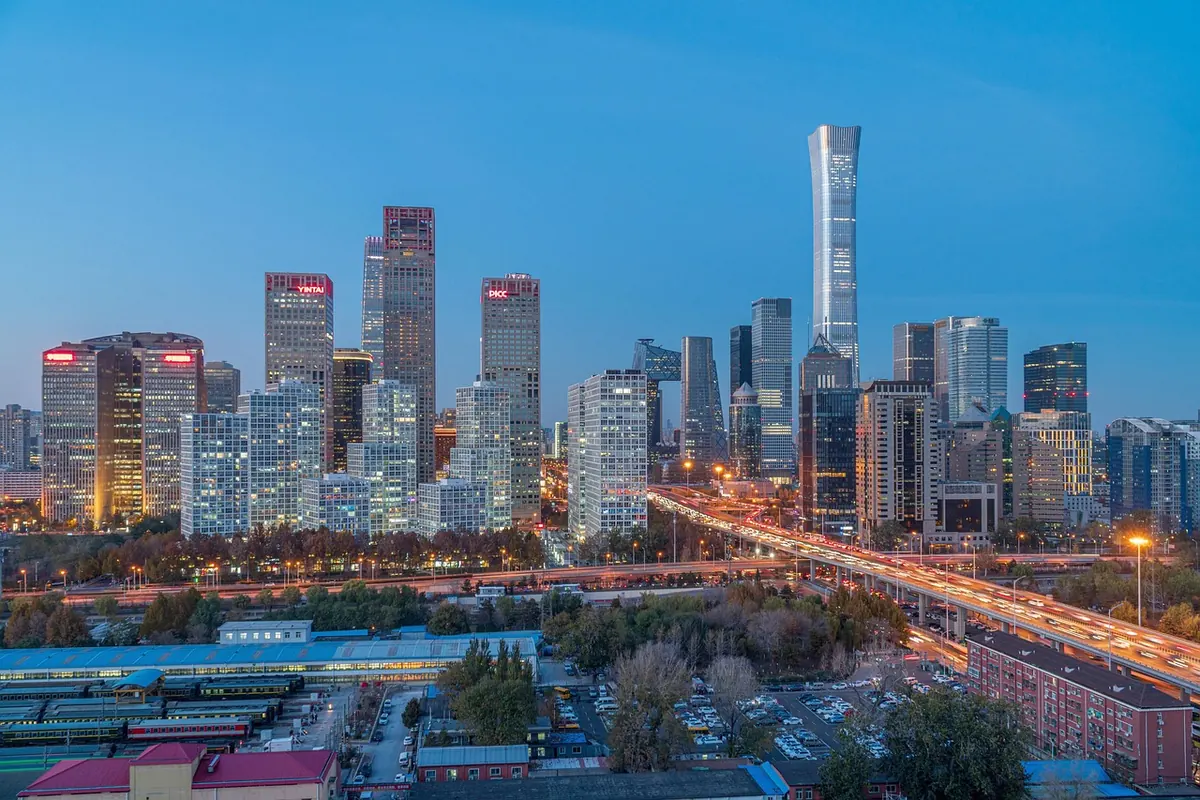
The blue hour is rarely blue. It can be steel-grey, slate, magenta, or lit amber from below by the sun's last glow. What it is, reliably, is quiet: that window either side of sunrise and sunset when the sky's brightness sits close to the brightness of street lamps, shop windows and headlights, so the two can share a frame without fighting.
It is also the most forgiving light of the day for a beginner. Contrast is low, the sky carries colour instead of blank white, and your exposures slow down enough that you start thinking seriously about a tripod. Here is how to catch the blue hour, meter it, and photograph it well.
Blue hour sits inside twilight, after the sun has dropped below the horizon or before it rises. In practice it begins around sunset and runs for roughly twenty to forty minutes, though the truth varies a great deal with season and latitude.
In the UK that range is wide. On a December afternoon in Manchester the sun can be gone by quarter past three, and the blue light lingers long enough for a relaxed walk and several setups. In late June, London's sunset falls close to half past nine at night and the blue window can be over in twenty minutes. Further north it behaves differently again: in Shetland at midsummer the sky never fully darkens, so the blue hour becomes a long, shallow glow that stretches for hours without ever deepening.
Two things follow. Check the sunset time for your exact spot rather than the nearest city — hills and coastlines shift it by minutes that matter — and arrive early. Forty minutes before sunset is not too soon.
The blue hour is short, so the decisions belong to the afternoon, not to the moment.
Blue hour light is dim but not difficult, and a sensible starting point gets you close enough to refine.
Every exposure decision at the blue hour comes down to one question: how much of the sky do you want to hold on to? Your camera wants to make that deep blue into a mid-grey, and it will, cheerfully, unless you stop it.
Expose for the brightest part of the sky you care about, and let the shadows go dark. Silhouettes are not a failure; they are the point. Check the histogram after each frame — the sky is the part that ruins an image when it clips, whereas a small blown lamp rarely matters. If you're unsure, bracket three frames a stop or two apart and sort it out at home. Live view gives a decent preview, but the histogram is the honest version.
Autofocus hunts when contrast drops. Switch to manual, magnify the live view on a bright edge — a lit window, a distant lamp, a horizon line — and focus there. With a wide lens stopped down, checking the hyperfocal distance will usually cover the whole scene.
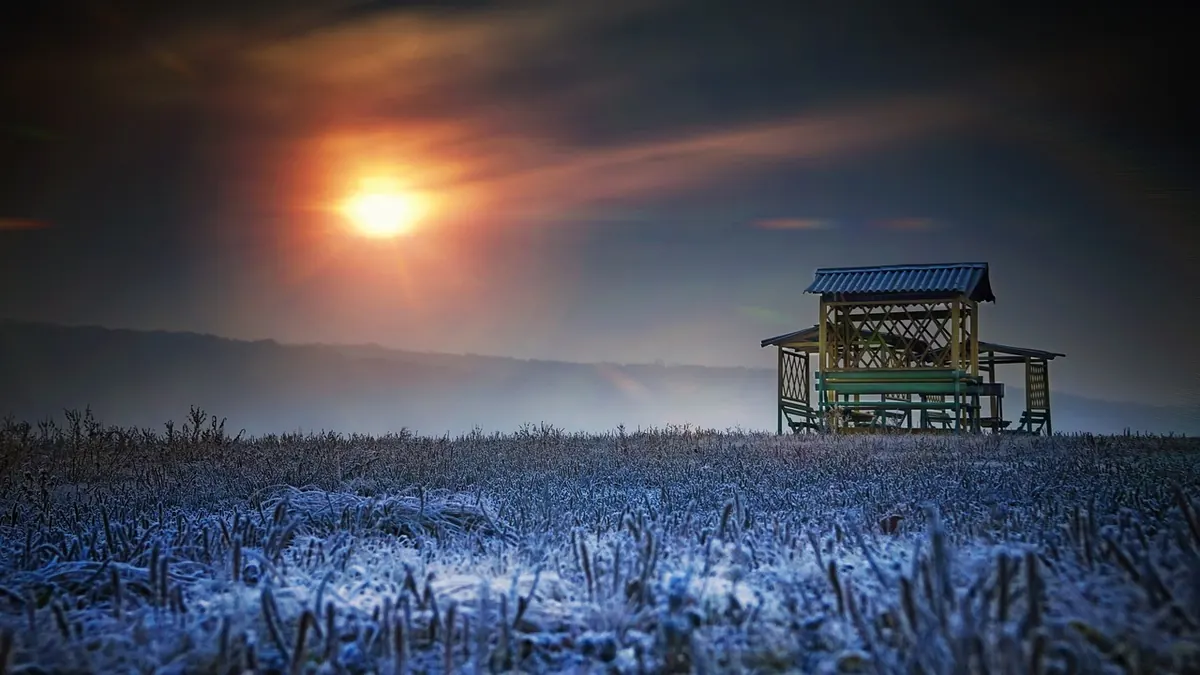
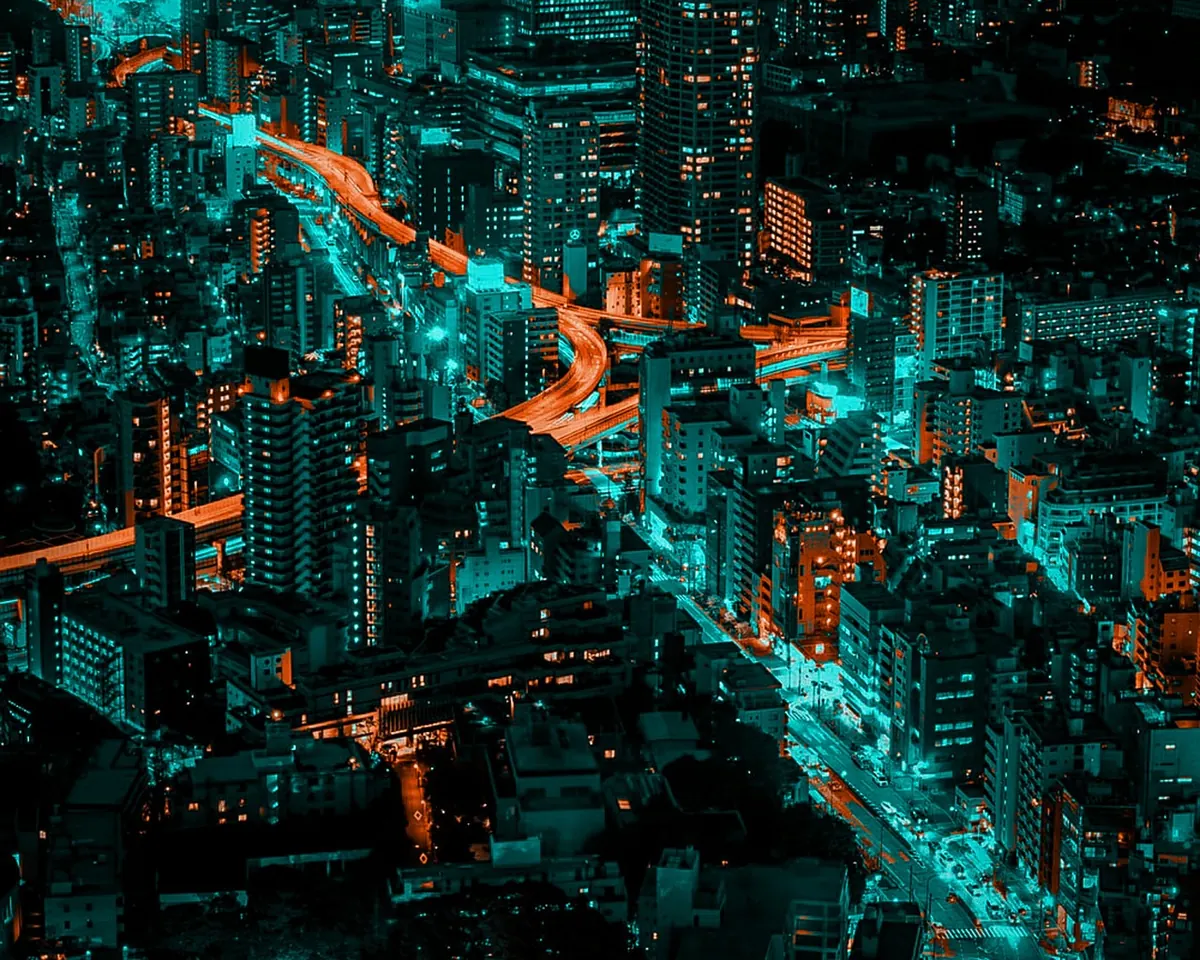
Colour alone won't carry a photograph, so use the elements the blue hour gives you. The brightest sky sits above the point where the sun went down, so include it and let it lead the eye. Look for silhouettes: a pier, a spire, a stand of trees, a crane. Look for reflections, which double the colour and calm the frame — wet sand, puddles, canals, a harbour at slack tide. Look for the contrast between warm artificial light and cool ambient, which is the signature of the hour.
Get low for foreground interest: kerbs, railings, rope, steps, a line of cobbles. Slow shutter speeds will smear moving water and soften cloud, and that's worth using deliberately. And don't leave when the sun disappears. The ten minutes after sunset, and the ten before sunrise, are usually the best of all.
Pick a location you can reach in ten minutes, so the light isn't spent on travel. Check the sunset time, arrive forty minutes early, and photograph the sunset itself first — it's good practice and it warms you up. Then, as the sky turns, keep working for half an hour after the sun has gone.
Change position at least twice, vary your framing between wide and close, and review the histogram rather than the back screen. Your first blue hour will probably produce two or three keepers; that's normal, and it's enough. Return to the same place on another evening and the composition will come faster.
One last thing: the light goes quickly and it goes dark. Take a torch, watch your footing near water and steps, and tell someone where you're going.
Photo: jeremy888 / Pixabay